
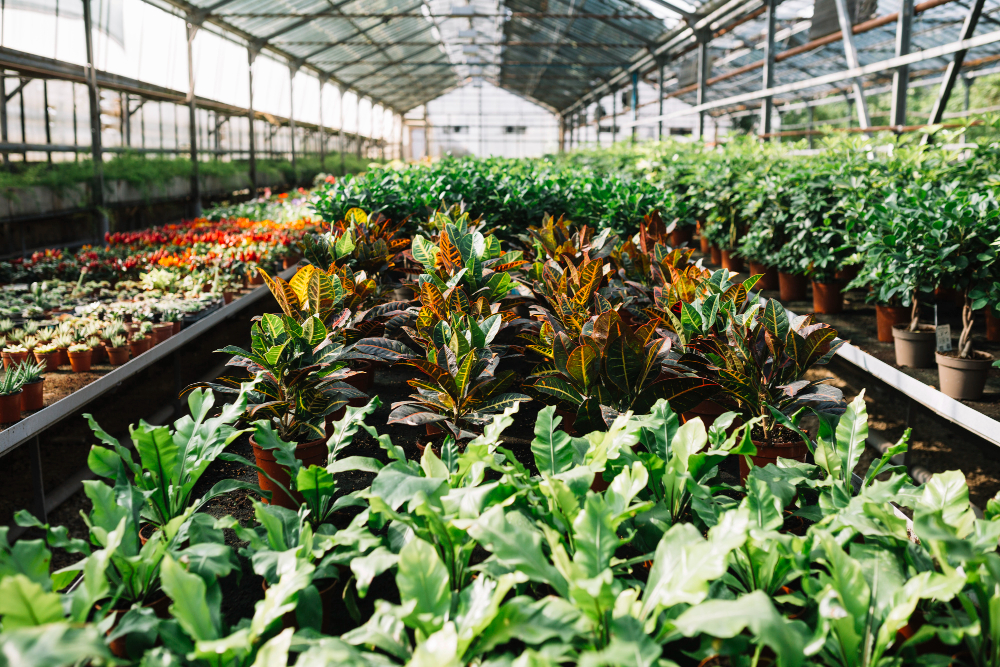
10 Tips for Buying Quality Wholesale Nursery Plants
If you’re a landscaper, contractor, garden center owner, or even a property developer in the United States, chances are you’ll need plants in bulk at some point. Buying from a wholesale nursery plants is the smart way to do it—it saves money, ensures consistency, and gives you access to a wide selection of trees, shrubs, flowers, and groundcovers.
But here’s the truth: not all wholesale plants are created equal. The nursery you choose and the steps you take before buying will directly impact the success of your landscaping project. Healthy, well-grown plants can transform a site into a thriving, beautiful landscape. Poor-quality plants, on the other hand, can result in wasted time, money, and effort.
So, how do you make sure you’re getting the best plants for your investment? Let’s walk through ten practical tips that will help you buy wholesale nursery plants with confidence.
1. Look Into the Nursery’s Reputation
Before handing over your budget, do a little homework. A nursery’s reputation is usually the best clue about the quality of plants you’ll receive. Check out online reviews, ask for references from other landscapers or contractors, and see if the nursery is part of professional associations like AmericanHort or your state’s nursery and landscape association. Reputable nurseries are proud of their work and won’t shy away from sharing information about their growing practices.
2. Pay Attention to Plant Health
When it comes to plants, looks matter. Healthy plants are sturdier, easier to establish, and less likely to fail after planting. Take a close look: stems should feel firm, leaves should be lush and green, and roots should be light-colored and strong. Avoid plants with yellowing or spotted leaves, wilting stems, or any signs of pests. If visiting in person isn’t possible, many U.S. nurseries will send you photos or videos of their stock, and some even provide health certificates for assurance.
3. Ask About Pest and Disease Management
Imagine ordering hundreds of plants only to find they’re infested or diseased. That’s a nightmare no landscaper wants. A trustworthy wholesale nursery will have systems in place to prevent this, often using Integrated Pest Management (IPM) practices. Don’t hesitate to ask how they keep pests and diseases under control, what preventative treatments they use, and how they handle quality checks before shipping.
4. Understand Where the Plants Come From
Some wholesale nurseries grow everything themselves, while others act as brokers sourcing plants from different growers. Both approaches have advantages. Grower nurseries often have tighter quality control, while brokers can offer a broader selection. Whenever possible, choose plants that are grown locally or at least within your region. Native and locally grown plants adapt more easily to soil and weather conditions, which means less maintenance and higher survival rates.
5. Match Plants to Your Climate
The U.S. is a big country with very different climates. A plant that thrives in Florida won’t necessarily survive in Colorado. This is where the USDA Plant Hardiness Zone Map becomes your best friend. Always check that the plants you’re buying are suited for your region’s climate. Even better, prioritize native species. They’ve evolved to thrive in local conditions, making them more resilient and cost-effective. For example, drought-tolerant plants like desert willow are great for Southwestern states, while native maples are an excellent fit for the Northeast.
6. Choose the Right Plant Size for Your Project
Wholesale nurseries typically offer plants in different stages of growth. Smaller plants like seedlings and plugs are budget-friendly and work well for large groundcover projects, but they take time to fill in. Container-grown plants are a solid middle ground affordable, yet quick to establish. Larger balled-and-burlapped trees or shrubs make an immediate impact but cost more and require more labor to plant. Think about your project timeline, budget, and desired results when deciding on plant sizes.
7. Compare Prices, But Don’t Chase the Lowest
It’s tempting to go straight for the cheapest supplier, but cheaper isn’t always better. Poor-quality plants might save you money upfront but cost you more in replacements and labor down the line. A smarter approach is to get quotes from a few different nurseries and look at the overall value, not just the price tag. Consider factors like plant quality, customer service, warranties, and delivery options. Wholesale nurseries often provide bulk discounts or seasonal deals, so ask about those too.
8. Make Sure Delivery and Logistics Are Reliable
Plants are living things, and the way they’re transported matters. Mishandled deliveries can damage roots, break branches, or stress plants before they ever reach your site. Ask the nursery how they package plants, what kind of trucks they use, and whether they can deliver directly to your job site. Some nurseries even offer specialized refrigerated transport for delicate species. Clear communication about delivery times and requirements will save you plenty of headaches.
9. Look for Nurseries That Offer More Than Just Plants
Some nurseries go the extra mile by providing services that make your life easier. They might offer advice on plant selection, soil testing, aftercare instructions, or even warranty programs for bulk orders. These add-ons might seem minor, but they’re a sign the nursery is invested in your success, not just in making a sale.
10. Build Long-Term Relationships
Buying wholesale plants shouldn’t be a one-time transaction. Building a relationship with a trusted nursery pays off in the long run. Repeat customers often get priority access to in-demand plants, loyalty discounts, and consistent quality across projects. Over time, your supplier gets to know your preferences and can anticipate your needs, making every future order smoother and more reliable.
Common Mistakes to Avoid
There are a few pitfalls that even experienced buyers sometimes fall into. One of the biggest is choosing plants based only on price, which usually leads to disappointing results. Another mistake is overlooking plant species or hardiness zones, which can cause plants to fail in the wrong climate. Poor planning around delivery can also create costly delays. And finally, failing to get warranties or written agreements in place can leave you unprotected if plants don’t meet expectations.
Where to Find Wholesale Nursery Plants Supplier?
If you’re ready to buy, there are several reliable sources to explore. Local wholesale nurseries are often the best option since their plants are already adapted to your climate. Plant brokers can help if you need a wide variety of stock or hard-to-find species. Online wholesale suppliers are growing in popularity, offering convenience and delivery right to your site. Native plant nurseries are another excellent choice if you want sustainable, region-friendly options. And for large projects, wholesale tree and shrub specialists are indispensable, especially for municipalities or developers.
Final Thoughts
Buying wholesale nursery plants in the United States is about more than just saving money. It’s about investing in healthy, resilient plants that will thrive in your landscape and stand the test of time. By researching suppliers, focusing on plant health, planning logistics carefully, and choosing species suited to your climate, you’ll set your projects up for long-term success.
Whether you’re a landscaper, contractor, or developer, the relationships you build with trusted nurseries will be just as valuable as the plants themselves. Healthy plants create healthy landscapes, and that’s the foundation for any project that truly lasts.

