
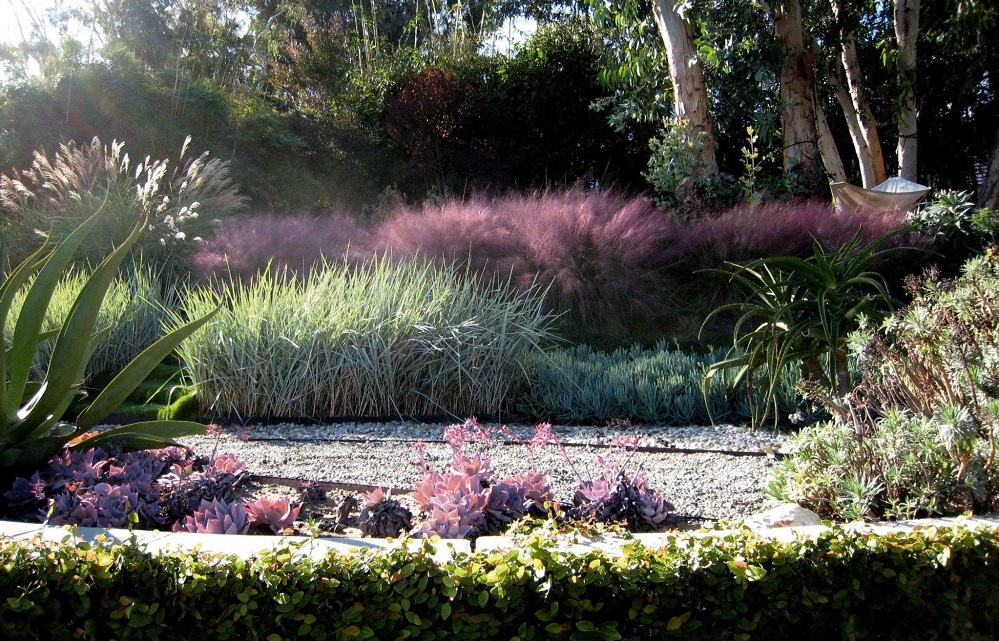
Why Native Plants Are Perfect for South Carolina Landscapes
When you’re managing a big landscaping project, every plant choice matters. It’s not just about curb appeal it’s about long-term performance, sustainability, and cost-effectiveness. For projects across the Palmetto State, choosing South Carolina native plants is one of the smartest moves landscapers, contractors and city planners can make. These plants create resilient, beautiful and low-maintenance landscapes that keep delivering value year after year.
From coastal dunes to rolling Piedmont hills, South Carolina offers an incredible diversity of soils and microclimates. Native plants have spent centuries adapting to these conditions. Whether you’re planning a municipal streetscape, a college campus or a commercial development, South Carolina native plants provide the durability and ecological value today’s projects demand.
1. What Exactly Are South Carolina Native Plants?
South Carolina native plants are species that occur naturally in the state’s ecosystems. They’ve adapted over time to local weather, soils and wildlife. Unlike imported ornamentals, these plants are inherently suited to thrive in the Palmetto State’s heat, humidity, rainfall patterns and occasional droughts. They also support South Carolina’s wildlife by offering food and habitat while reducing the need for chemical interventions. In other words, they’re built for this environment and help it flourish.
2. Why Are South Carolina Native Plants Advantageous?
Low Maintenance and Higher Survival Rates
Because they’re naturally suited to local conditions, South Carolina native plants require less water, fertilizer and pest control. They’re easier to establish and maintain compared to non-natives, saving you time and resources.
Wildlife and Pollinator Support
South Carolina’s native wildflowers, trees and shrubs sustain bees, butterflies, birds and other wildlife. Incorporating them into landscapes helps create functional ecosystems, a major selling point for clients who value sustainability.
Pest and Disease Resistance
Native species are typically less vulnerable to the pests and diseases that can plague non-native ornamentals. Fewer treatments mean lower costs for long-term maintenance.
3. How Do South Carolina Native Plants Save Money on Projects?
Using South Carolina native plants in commercial or public landscapes offers real, measurable cost efficiencies:
➞ Lower irrigation needs reduce water use and infrastructure.
➞ Higher resilience cuts plant loss, replacements and callbacks.
➞ Many municipalities encourage or even require native plants in public projects, which helps with compliance.
For commercial landscapers, these advantages translate into reduced long-term costs and greater client satisfaction.
4. Where Can South Carolina Native Plants Shine the Most?
Urban Landscapes and Streetscapes
American holly, redbud and oak trees bring structure, shade and seasonal color while tolerating compacted soils and urban stressors.
Coastal Projects
Yaupon holly, wax myrtle and saltmeadow cordgrass thrive in sandy soils and salt spray, making them ideal for beachfront developments and dune stabilization.
Commercial Campuses and Developments
Sweetgrass, beautyberry and inkberry holly add vibrant color, wildlife value and low-maintenance appeal to large commercial landscapes.
5. Which South Carolina Native Plants Should Landscapers Know?
Here are some standout choices for large-scale projects:
Trees: Live Oak (Quercus virginiana), Red Maple (Acer rubrum), Eastern Redbud (Cercis canadensis)
Shrubs: Inkberry Holly (Ilex glabra), Beautyberry (Callicarpa americana), Wax Myrtle (Morella cerifera)
Grasses & Perennials: Sweetgrass (Muhlenbergia filipes), Black-eyed Susan (Rudbeckia hirta), Carolina Jessamine (Gelsemium sempervirens – the state flower)
Palms & Evergreens: Cabbage Palm (Sabal palmetto – the state tree), Yaupon Holly (Ilex vomitoria), American Holly (Ilex opaca)
All of these South Carolina native plants are proven performers in the state’s varied conditions.
6. How Do South Carolina Native Plants Support Local Ecosystems and the Economy?
By prioritizing native plants, you’re doing more than creating visually striking landscapes you’re strengthening South Carolina’s natural heritage. Benefits include:
➜ Reduced water and fertilizer demand.
➜ Protection of pollinators and native wildlife.
➜ Preservation of the state’s unique ecological character.
➜ Support for local growers and the regional green industry.
7. How Do You Choose the Right Wholesale Supplier for South Carolina Native Plants?
When sourcing South Carolina native plants for your next project, look for a wholesale nursery that:
➜ Provides a wide variety of true native species in multiple sizes.
➜ Offers insight on which plants thrive best in coastal, midlands or upstate projects.
➜ Can deliver directly to your job site with consistency and reliability.
➜ Maintains healthy, landscape-ready stock to ensure project success.
Final Thoughts
South Carolina native plants aren’t just a sustainable option, they’re a smart business decision for landscapers and developers. They reduce long-term costs, withstand the state’s diverse conditions, and add ecological and cultural value to every project.
Whether you’re enhancing a streetscape, designing a park or building a commercial site, incorporating South Carolina native plants helps your projects stand the test of time. Partner with a trusted wholesale nursery to secure high-quality native plant material and expert guidance tailored to your region. With the right plants and suppliers, your landscapes will thrive for years to come. For more info visit: https://www.aboutamplex.com/

