
Why Choose Edible Landscaping? A Complete Guide
Landscaping doesn’t just have to be beautiful, it can be purposeful too. While traditional landscaping focuses on aesthetics, edible landscaping combines beauty with functionality by incorporating fruits, vegetables, herbs, and even edible flowers into your outdoor design. This approach transforms yards, gardens, and commercial spaces into landscapes that don’t just look good but also provide nourishment, sustainability, and a closer connection to nature.
From suburban backyards to city rooftops and commercial courtyards, Edible landscaping is becoming a movement that aligns with healthier lifestyles, environmental consciousness, and creative outdoor design. Let’s explore why it’s gaining so much attention, how you can benefit from it, and practical tips for getting started.
What Is Edible Landscaping?
Edible landscaping is the practice of designing outdoor spaces where edible plants replace or complement traditional ornamental plants. Instead of solely focusing on flowers or non-productive shrubs, you integrate functional plants such as:
➜ Fruit trees like apple, pear, fig, and citrus
➜ Berry bushes such as blueberries, raspberries, and elderberries
➜ Herbs like rosemary, basil, mint, and thyme
➜ Vegetables including kale, peppers, tomatoes, and lettuce
➜ Edible flowers such as nasturtiums, pansies, and calendula
The concept is simple: your landscape doesn’t just provide beauty, it provides food, fragrance, pollinator support, and a healthier environment.
Why Is Edible Landscaping Becoming So Popular?
A Growing Movement Toward Sustainability
As people become more environmentally aware, edible landscaping offers a way to reduce dependency on store-bought produce and lessen environmental impact. Growing food locally even in your own yard cuts down on transportation, packaging, and chemical use.
Blending Beauty with Practicality
Unlike traditional vegetable gardens that may feel separated from the landscape, edible landscaping integrates food-producing plants seamlessly into existing designs. For example, blueberry bushes can serve as hedges, or lavender can line a walkway, offering both beauty and usefulness.
Rising Interest in Healthy Living
Fresh, organic produce is expensive and sometimes difficult to source. An edible landscape puts nutritious food within arm’s reach while also encouraging outdoor activity, which supports overall well-being.
How Does Edible Landscaping Blend Beauty with Function?
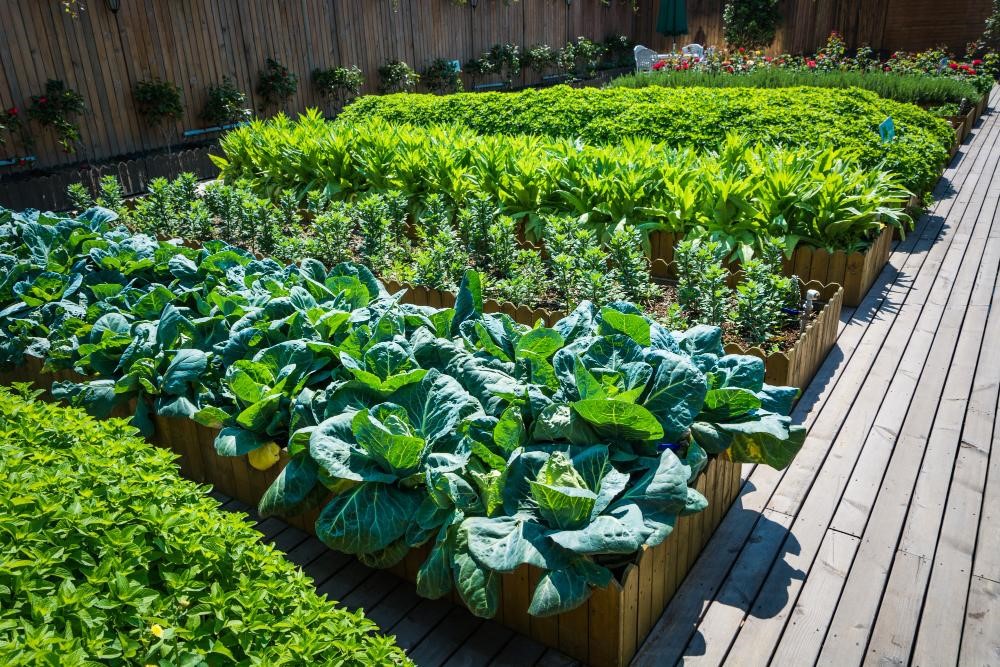
The best part about edible plants is how seamlessly they integrate into design. Fruiting trees such as figs or pomegranates can serve as focal points. Herbs like rosemary, thyme, or lavender add fragrance and function as a hardy groundcover. Even raised vegetable beds can be styled to complement patios, walkways, and gathering areas.
A few design ideas:
➜ Fruit Trees as Features: Apples, pears, or citrus provide shade, structure, and seasonal color.
➜ Berry Borders: Blueberries, strawberries, or currants create attractive low hedges.
➜ Herb Groundcovers: Creeping thyme or oregano softens stone paths while remaining harvestable.
➜ Edible Vines: Grapes or passionfruit can cloak trellises and pergolas.
What Are the Benefits of Edible Landscaping?
1. Sustainability and Self-Sufficiency
Edible landscaping promotes local food production and reduces dependence on large-scale agriculture and grocery supply chains. By growing your own food, you build resilience against fluctuating food prices and potential shortages—creating a more sustainable and self-reliant lifestyle for households and communities alike.
2. Environmental Benefits
Many edible plants particularly native fruit trees, herbs, and shrubs require less chemical input and water than turf grass or exotic ornamentals. They also:
➜ Improve soil health
➜ Reduce the need for synthetic fertilizers
➜ Provide habitat for birds, bees, and butterflies
3. Pollinator Support
Bees, butterflies, and other pollinators thrive in edible landscapes filled with flowering plants like basil, thyme, chives, and fruit trees. Attracting these beneficial insects not only supports biodiversity but also increases pollination, resulting in higher yields and healthier crops.
4. Economic Value
Edible landscapes can help lower grocery expenses while boosting property value. Homes featuring productive gardens appeal to modern buyers who value both aesthetics and functionality especially the convenience of harvesting fresh produce right outside their door.
5. Community and Social Connection
When implemented in schools, public parks, or shared gardens, edible landscapes bring people together. They encourage community interaction, shared harvests, recipe exchanges, and educational opportunities for children to learn about sustainable food systems and nutrition.
6. Health and Wellness
Access to fresh, homegrown fruits and vegetables encourages healthier eating habits. Gardening itself provides physical activity, reduces stress, and promotes mental well-being. Children are especially motivated to eat produce they’ve helped grow, fostering lifelong appreciation for fresh, wholesome food.
Which Edible Plants Work Well in Landscaping?
The best choices depend on your region’s climate and soil conditions. In the Southeast, for example, you might choose:
➜ Blueberries: Attractive shrubs with spring flowers and fall foliage.
➜ Muscadine Grapes: Native vines with tasty fruit and great shade potential.
➜ Citrus Trees: Dwarf or hardy varieties double as ornamental features.
➜ Herbs: Rosemary, oregano, thyme, basil, or ornamental peppers add fragrance and color.
➜ Greens: Ornamental kale, Swiss chard, or edible flowers such as nasturtiums blend into beds.
Tip: Choose a mix of perennials (trees, shrubs, herbs) and annuals (vegetables, flowers) for year-round interest.
How Do You Plan an Edible Landscape?
Start with Site Analysis
Start by evaluating your space. Observe sun exposure, soil type, drainage, and water access. Most fruiting plants thrive with at least six hours of sunlight, while leafy greens and herbs can handle partial shade. A clear understanding of your site’s conditions will guide your plant choices and layout.
Choose Region-Appropriate Plants
Select plants that naturally thrive in your local climate and soil. Doing so minimizes maintenance and resource use. Native and regionally adapted species often perform best. For guidance, consult your local extension office, gardening centers, or native plant societies.
Layer for Function
Design your edible garden using layers canopy trees, shrubs, groundcovers, and vines. This structure mimics natural ecosystems, improves biodiversity, and maximizes both space and yield. Each layer supports the others, creating a balanced and productive landscape.
Integrate Infrastructure
Incorporate practical elements like pathways, raised beds, and trellises that fit seamlessly into your existing landscape. A well-planned layout ensures easy access for planting, maintenance, and harvesting while maintaining aesthetic harmony.
What Are the Design Principles of Edible Landscaping?
1. Function Meets Aesthetics
Your landscape should be both productive and visually appealing. Choose plants that serve multiple purposes like rosemary, which works as a fragrant groundcover, culinary herb, and pollinator attractor.
2. Seasonal Interest
Plan for year-round appeal. For instance:
➜ Spring: strawberries, lettuce, and herbs provide fresh greenery.
➜ Summer: tomatoes, peppers, and blueberries bring vibrant colors.
➜ Fall: figs, apples, and kale add texture and harvest variety.
➜ Winter: evergreen herbs like thyme and rosemary provide structure.
3. Layering for Efficiency
Like a natural ecosystem, edible landscapes thrive when plants are layered. Fruit trees form the canopy, berry shrubs fill the mid-level, herbs and vegetables occupy the understory, and groundcovers like strawberries create a living mulch.
4. Smart Plant Selection
Choose plants that thrive in your climate and soil. In the Southeast, blueberries, citrus, figs, muscadine grapes, and herbs like mint and oregano are excellent choices.
What Are the Best Plants for Edible Landscaping?
Fruit Trees
Fig Trees: Hardy, low-maintenance, and produce sweet fruit.
Pomegranate: Striking flowers and antioxidant-rich fruit.
Citrus Trees (in warm regions): Oranges, lemons, and limes double as shade trees.
Shrubs and Bushes
Blueberries: Great for hedges, beautiful foliage, and delicious berries.
Elderberries: Excellent for syrups and teas, plus attractive white blooms.
Herbs
Rosemary: Fragrant, drought-tolerant, and evergreen.
Lavender: Adds beauty, fragrance, and pollinator support.
Mint: Fast-growing and versatile (best contained in pots to avoid spreading).
Vegetables and Greens
Kale and Swiss Chard: Ornamental leaves with high nutritional value.
Peppers: Bright colors and varying levels of heat.
Tomatoes: Perfect for raised beds or decorative trellises.
Edible Flowers
Nasturtiums: Peppery leaves and vibrant flowers for salads.
Calendula: Medicinal and culinary uses with striking orange blooms.
Pansies: Decorative and edible garnish for desserts or drinks.
How Much Maintenance Does Edible Landscaping Require?
Maintenance depends on plant selection and design. Perennial fruit trees or herbs need seasonal pruning and occasional feeding but little else once established. Annual vegetables require more frequent replanting and harvesting. Grouping plants by needs (water, sun, soil) simplifies upkeep.
Mulching, composting, and drip irrigation further reduce labor while keeping plants healthy. Many organizations partner with local garden clubs or volunteer groups to maintain shared edible landscapes.
What Challenges Should You Anticipate?
Wildlife Browsing: Fruit and vegetable crops attract birds or deer; plan for netting or fencing if needed.
Harvest Management: Decide who will pick and use the produce residents, employees, volunteers, or donation programs.
Seasonal Change: Accept that the look of beds will evolve throughout the year; design with succession planting in mind.
By addressing these issues early, your edible landscaping project will be more successful and less stressful.
How Do You Get Started With Edible Landscaping?
1. Define Your Goals: Are you aiming for maximum food production, aesthetic impact, or educational value?
2. Consult Professionals: Landscape designers or nurseries experienced in edible landscaping can help select species and create plans.
3. Start Small: Test a pilot area with a few shrubs, herbs, or fruit trees before expanding.
4. Plan for Growth: Edible plants mature over time leaving room for future canopy spread or root systems.
With a clear vision and the right plants, even a modest project can transform into a productive and beautiful space.
Partnering With the Right Nursery or Supplier
A successful edible landscaping project often depends on plant quality. Look for a wholesale or native plant nursery that:
➜ Offers a wide selection of edible species adapted to your climate.
➜ Supplies landscape-ready plants with strong root systems for quick establishment.
➜ Provides delivery directly to your jobsite or property.
Working with the right partner ensures your plants thrive and your design goals are met.
Final Thoughts
Edible landscaping transforms outdoor spaces into places of beauty, sustainability, and abundance. It’s not just a trend, it’s a smart, long-term investment in healthier communities, greener businesses, and more resilient properties. Whether you’re planning a private garden, a school courtyard, or a corporate campus, blending edible plants into your landscape design delivers both aesthetic and practical rewards.
By combining thoughtful plant selection, region-appropriate choices, and good design principles, you can enjoy fresh harvests, support pollinators, and create a living environment that looks stunning year-round. In short, edible landscaping lets you get more from every square foot of your landscape.

